
After a brutal Canadian winter, your home needs some serious TLC. Snow, ice, freezing temperatures, and months of closed-up living take their toll on everything from your roof to your HVAC system. Miss these critical spring maintenance tasks, and you could be facing expensive repairs by summer.
I learned this lesson the hard way during my first spring as a homeowner. I skipped checking my eavestroughs (they seemed fine!), and by June I had water damage in my basement from spring runoff. That $50 gutter cleaning would have saved me $3,000 in waterproofing repairs.
This comprehensive spring maintenance checklist covers every critical task Canadian homeowners should tackle between March and May. I’ve organized it by priority level and estimated time, so you can tackle the most important jobs first – even if you only have a few weekends to dedicate to home maintenance.
Spring is the perfect time to catch winter damage before it becomes expensive summer problems. You’re also preparing your home for the harsh demands of summer heat, humidity, and outdoor living season.
Let’s protect your biggest investment and get your home ready for Canadian spring!
Quick Overview: Spring Maintenance Priorities
CRITICAL (Do First – Can cause serious damage if ignored):
- Inspect roof and attic for leaks
- Clean and inspect eavestroughs and downspouts
- Check foundation for cracks
- Test sump pump
- Inspect grading and drainage
HIGH PRIORITY (Do Soon – Prevents costly repairs):
- Service HVAC system
- Inspect windows and doors
- Check deck and outdoor structures
- Drain and flush water heater
- Test smoke and CO detectors
MEDIUM PRIORITY (Improves efficiency and longevity):
- Clean dryer vents
- Inspect plumbing
- Service garage door
- Clean outdoor furniture
- Fertilize lawn
LOW PRIORITY (Nice to have – Aesthetic improvements):
- Power wash exterior
- Mulch garden beds
- Paint touch-ups
- Clean light fixtures
MARCH: Early Spring Prep (While Snow Melts)
1. Inspect Roof and Attic for Winter Damage
Why it matters: Ice dams, heavy snow, and freeze-thaw cycles can damage shingles, flashing, and cause leaks. Catching problems now prevents water damage later.
How to do it:
- From ground level, use binoculars to check for missing, cracked, or curled shingles
- Look for daylight through roof boards in attic
- Check for water stains on attic ceiling or walls
- Inspect attic insulation for dampness or compression
Time required: 30-45 minutes
Difficulty: Easy (visual inspection from ground)
When to call a pro: If you see missing shingles, sagging areas, or active leaks
Tools/products you’ll need:
- Binoculars for roof inspection
- LED flashlight for attic inspection
- Moisture meter (to check for hidden leaks)
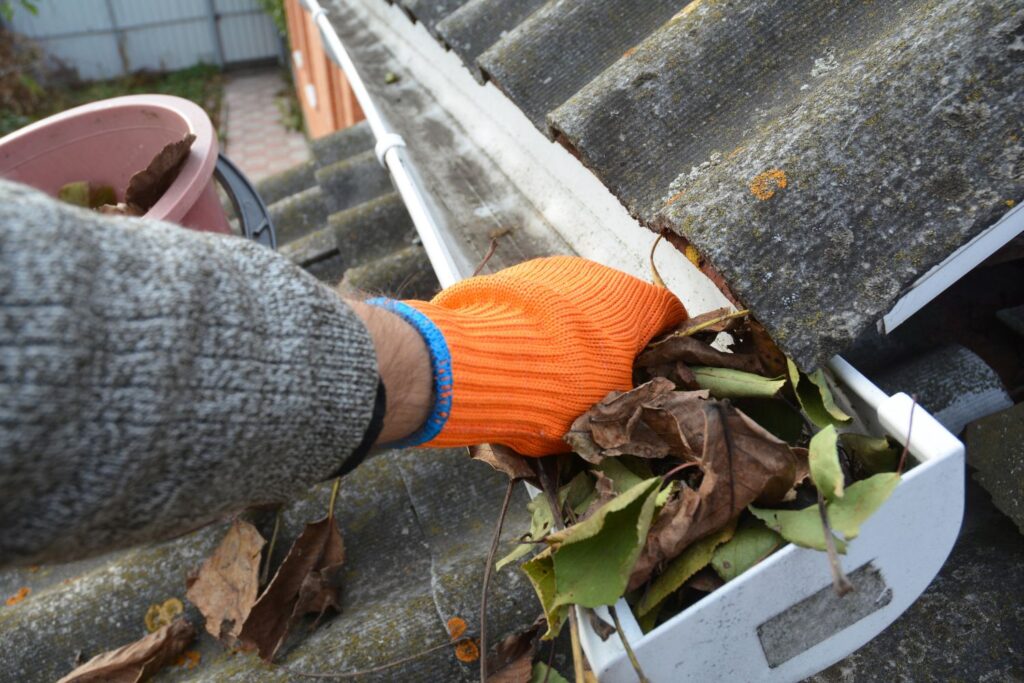
2. Clean Eavestroughs and Downspouts
Why it matters: Clogged gutters cause water to overflow against your foundation, leading to basement flooding, foundation cracks, and landscape erosion. This is the #1 cause of spring water damage in Canadian homes.
How to do it:
- Remove leaves, pine needles, and debris by hand or with scoop
- Flush gutters with hose to check for proper flow
- Ensure downspouts direct water at least 6 feet from foundation
- Check for sagging sections or separated joints
- Consider installing gutter guards to reduce future maintenance
Time required: 2-4 hours (depending on home size)
Difficulty: Moderate (requires ladder work)
When to call a pro: If you have a 2-story home or aren’t comfortable on ladders
Tools/products you’ll need:
- Extension ladder (must extend 3 feet above gutter)
- Gutter scoop or garden trowel
- Garden hose with spray nozzle
- Gutter guards/screens (prevent future clogs)
- Downspout extensions (direct water away)
- Work gloves
Safety tip: Never lean ladder against gutters – they’ll bend. Place against fascia board or roof edge.
3. Check Foundation and Basement for Cracks
Why it matters: Spring thaw puts maximum pressure on foundations as soil expands with moisture. Small cracks can become major structural issues if left untreated.
How to do it:
- Walk around entire foundation perimeter (inside and outside)
- Look for new cracks, especially horizontal ones (more serious than vertical)
- Check for white powdery deposits (efflorescence – sign of moisture)
- Mark any cracks with tape and date them to monitor growth
- Photograph for documentation
Time required: 30 minutes
Difficulty: Easy
When to call a pro: Cracks wider than 1/4″, horizontal cracks, or rapidly growing cracks
Tools/products you’ll need:
- LED flashlight or headlamp
- Measuring tape (to measure crack width)
- Masonry crack filler (for small cracks under 1/4″)
- Hydraulic cement (for active water leaks)
4. Test Sump Pump
Why it matters: Spring runoff is when your sump pump works hardest. A failed pump during heavy rain means a flooded basement.
How to do it:
- Pour 5 gallons of water into sump pit
- Pump should activate within seconds
- Ensure it pumps water out completely and shuts off
- Check discharge pipe outside – water should flow freely
- Listen for unusual noises (grinding, rattling)
- Test backup battery if you have one
Time required: 10-15 minutes
Difficulty: Easy
When to call a pro: If pump doesn’t activate, makes loud noises, or runs continuously
Tools/products you’ll need:
- 5-gallon bucket
- Backup battery sump pump (if you don’t have one – essential!)
- Replacement sump pump (if yours is 7+ years old)
- Water alarm (alerts you if pit overflows)
Pro tip: Sump pumps typically last 7-10 years. If yours is older, replace it NOW before spring runoff, not during an emergency.
5. Inspect Grading and Drainage Around Home
Why it matters: Proper grading directs water AWAY from your foundation. Poor drainage is the leading cause of basement moisture problems in Canada.
How to do it:
- Ground should slope away from foundation at minimum 6 inches over 10 feet
- Check for low spots or depressions that collect water
- Ensure soil hasn’t settled near foundation
- Look for erosion channels in landscaping
- Mark areas that puddle during spring melt
Time required: 20-30 minutes
Difficulty: Easy (inspection only)
When to call a pro: For major regrading projects
Tools/products you’ll need:
- 10-foot level (to check slope)
- Topsoil or fill dirt (to correct low spots)
- Wheelbarrow (for moving soil)
- Square shovel (for grading)
- Landscape fabric (for drainage projects)
APRIL: Deep Spring Cleaning and System Checks
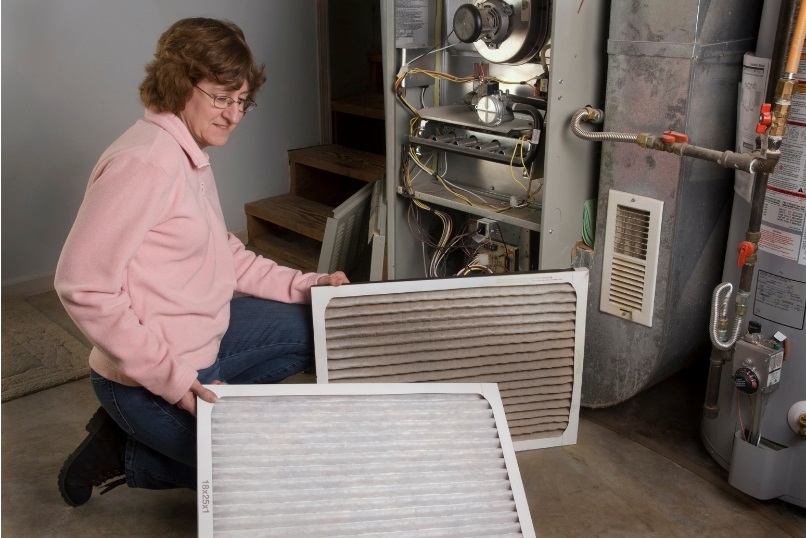
6. Service HVAC System (Furnace and A/C)
Why it matters: Your furnace worked overtime all winter and needs attention. Your A/C has been dormant for 6 months. Spring service prevents summer breakdowns when you need cooling most.
How to do it:
Furnace:
- Replace furnace filter (do this monthly during heating season!)
- Vacuum around furnace and vents
- Check for soot or rust around unit
- Listen for unusual noises when running
Air Conditioner:
- Remove outdoor unit cover
- Clear debris (leaves, grass) from around unit
- Straighten bent fins with fin comb
- Turn on at thermostat and ensure it blows cold within 15-20 minutes
Time required: 30 minutes DIY / 1-2 hours for professional service
Difficulty: Easy for filter change, moderate for full service
When to call a pro: Annual professional HVAC service recommended (schedule NOW before summer rush)
Tools/products you’ll need:
- HVAC filters (buy a 6-pack and change monthly)
- Fin comb (straightens bent A/C fins)
- Coil cleaner spray (for outdoor A/C unit)
- Shop vacuum (for cleaning around furnace)
Money-saving tip: Change your furnace filter monthly. A $5 filter change can save you hundreds in energy costs and prevent expensive repairs.
7. Inspect and Repair Windows and Doors
Why it matters: Damaged weatherstripping and caulking lets heated/cooled air escape, costing you hundreds per year in energy bills. Spring is the perfect time to fix winter damage.
How to do it:
- Check weatherstripping on all exterior doors – replace if cracked or compressed
- Test door sweeps – should seal completely when closed
- Inspect window caulking for cracks or gaps
- Look for condensation between window panes (failed seal)
- Test all window locks and latches
- Ensure screens are intact (replace before bug season!)
Time required: 2-3 hours for whole house
Difficulty: Easy to moderate
When to call a pro: For failed window seals or major door adjustments
Tools/products you’ll need:
- Weatherstripping tape/foam (multiple sizes)
- Door sweeps (adjustable)
- Exterior caulk (paintable, flexible)
- Caulking gun
- Window screen repair kit
- Silicone spray (lubricant for locks and hinges)
Energy savings: Proper weatherstripping can reduce heating/cooling costs by 10-15% annually.
8. Inspect Deck, Fence, and Outdoor Structures
Why it matters: Freeze-thaw cycles loosen fasteners, crack wood, and rot supporting posts. Catching structural issues now prevents injuries and costly rebuilds.
How to do it:
Deck inspection:
- Check all deck boards for rot, cracks, or splinters
- Test railing stability – should not wobble
- Inspect ledger board attachment to house (critical for safety!)
- Look for rust on fasteners and joist hangers
- Check for loose or popped nails/screws
- Examine posts at ground level for rot
Fence inspection:
- Look for leaning posts
- Check for rotted bottom rails
- Test gate hinges and latches
- Look for loose boards
Time required: 1-2 hours
Difficulty: Easy (inspection), moderate (repairs)
When to call a pro: For structural repairs, ledger board issues, or major rot
Tools/products you’ll need:
- Screwdriver (to test soft/rotten wood)
- Deck screws (replace popped nails with screws)
- Deck stain or sealer (plan to restain every 2-3 years)
- Pressure washer (clean before staining – see checklist item #15)
- Wood filler (for minor cracks)
Safety note: In Canada, deck collapses cause serious injuries every year. Never skip the ledger board inspection – this is what holds your deck to your house!
9. Drain and Flush Water Heater
Why it matters: Sediment buildup reduces efficiency and shortens water heater lifespan. Annual flushing can extend life by 5+ years.
How to do it:
- Turn off power (electric) or set gas valve to pilot
- Turn off cold water supply valve
- Attach garden hose to drain valve
- Run hose to floor drain or outside
- Open drain valve and let water run until clear (5-10 minutes)
- Close drain valve, refill tank, restore power
Time required: 30-45 minutes
Difficulty: Moderate
When to call a pro: If you’re uncomfortable with the process or tank is very old
Tools/products you’ll need:
- Garden hose (50 ft)
- Bucket (in case of spills)
- Pipe thread tape (if drain valve leaks)
- Water heater replacement (if yours is 10+ years old, consider replacing)
Money-saving tip: Water heaters last 8-12 years. If yours is approaching 10 years, watch for leaks and start budgeting for replacement.
10. Test All Smoke and Carbon Monoxide Detectors
Why it matters: This is life-or-death stuff. Detectors save lives, but only if they work. Spring is a perfect reminder to test.

How to do it:
- Press test button on each detector
- Alarm should sound within seconds
- Replace batteries in battery-powered units (even if “working”)
- Vacuum dust from detector vents
- Check manufacture date – replace any over 10 years old
- Ensure you have detectors on every floor and near bedrooms
Time required: 15-20 minutes
Difficulty: Easy
When to replace: Smoke detectors every 10 years, CO detectors every 5-7 years
Tools/products you’ll need:
- 9V batteries or AA batteries (depends on your model)
- Combination smoke + CO detectors (if you need to replace)
- 10-year sealed battery smoke detectors (no battery changes!)
- Step ladder
Canadian requirement: National Building Code requires smoke alarms on every storey and outside sleeping areas. Many provinces also require CO detectors.
11. Clean Kitchen Exhaust Hood and Filter
Why it matters: Grease buildup is a fire hazard and reduces ventilation efficiency. Winter cooking (more indoor meals!) means maximum buildup.
How to do it:
- Remove filter(s) from range hood
- Soak in hot water with degreasing dish soap for 15-20 minutes
- Scrub with brush or sponge
- For stubborn grease: add baking soda paste or use degreaser
- Wipe down hood exterior and interior
- Check exhaust vent outside – clear any obstructions
Time required: 30-45 minutes
Difficulty: Easy
When to call a pro: If ductwork needs cleaning (every 3-5 years)
Tools/products you’ll need:
- Degreasing dish soap (Dawn works great)
- Kitchen degreaser spray
- Scrub brush or old toothbrush
- Baking soda (natural degreaser)
- Replacement range hood filters (if badly worn)
12. Clean or Replace Dryer Vent
Why it matters: Lint buildup causes 15,000+ house fires annually in North America. It also makes your dryer work harder, costing you money.
How to do it:
- Disconnect dryer and pull away from wall
- Remove vent hose from back of dryer
- Use vacuum with hose attachment to clean vent opening
- Clean flexible vent hose (or replace if damaged)
- Use dryer vent brush to clean ductwork to outside
- Vacuum lint from dryer lint trap housing
- Reconnect everything and push dryer back
Time required: 45 minutes to 1 hour
Difficulty: Moderate
When to call a pro: If vent is very long, has many turns, or you can’t reach outside vent
Tools/products you’ll need:
- Dryer vent cleaning kit with flexible brush
- Shop vacuum or regular vacuum with hose
- Replacement dryer vent hose (if current one is damaged)
- Screwdriver (to disconnect clamps)
Warning signs your dryer vent needs cleaning:
- Clothes take longer than one cycle to dry
- Dryer gets very hot to touch
- Burning smell when dryer runs
- Lint visible around dryer door
MAY: Outdoor Prep and Final Details
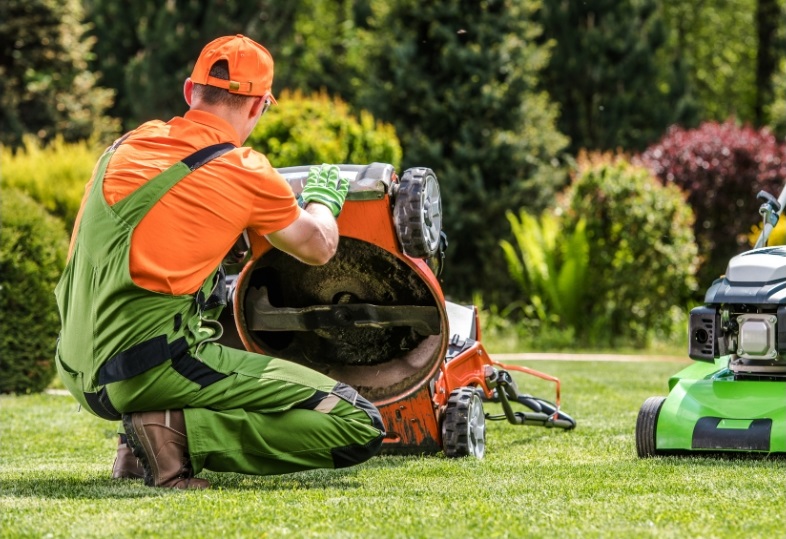
13. Service Lawn Mower and Yard Tools
Why it matters: Spring is prime mowing season. Don’t wait until your grass is 8 inches tall to discover your mower won’t start.
How to do it:
For Gas Mowers:
- Check and change oil if needed
- Replace spark plug (annually)
- Clean or replace air filter
- Sharpen or replace blade
- Fresh gas (old gas from last fall is bad – drain it!)
- Check tire pressure
For Electric/Battery Mowers:
- Charge battery fully
- Clean underside of deck
- Sharpen or replace blade
- Check all bolts and fasteners
Other yard tools:
- Sharpen pruning shears and hedge trimmers
- Oil hand tool joints
- Clean and sharpen shovels/spades
- Test string trimmer and leaf blower
Time required: 1-2 hours
Difficulty: Moderate
When to call a pro: For complex repairs or if you’re not comfortable with small engines
Tools/products you’ll need:
- Lawn mower oil (check your manual for type)
- Spark plugs (universal or check your model)
- Air filter (check your model)
- Blade sharpening tool or file
- Fresh gas can with stabilizer
- Multi-tool or socket set
Money-saving tip: Learning to change your own oil and spark plug saves $50-80 per service.
14. Fertilize and Overseed Lawn
Why it matters: Spring is the optimal time for lawn care in Canada. Grass is actively growing and can absorb nutrients effectively.
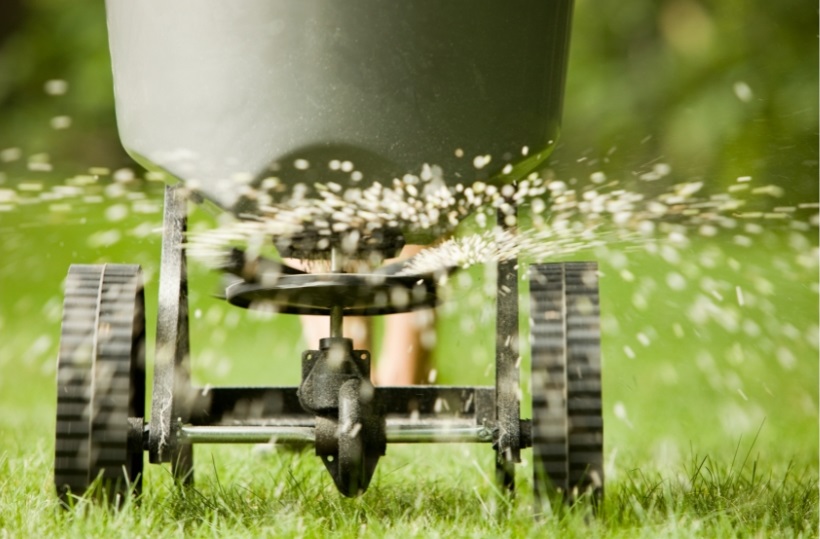
How to do it:
- Wait until ground temperature reaches 10°C (typically late April/early May)
- Rake to remove winter debris and dead grass
- Test soil pH if you’ve never done it
- Apply spring fertilizer (high nitrogen for green growth)
- Overseed thin or bare patches
- Water deeply (1 inch per week)
Time required: 2-4 hours (depending on lawn size)
Difficulty: Easy
When to call a pro: For large properties or if you want professional treatment
Tools/products you’ll need:
- Spring lawn fertilizer (look for 20-5-10 or similar NPK ratio)
- Grass seed (choose blend for your region – sun vs shade)
- Broadcast spreader (for even fertilizer application)
- Lawn rake (remove thatch)
- Soil test kit (know your pH)
- Oscillating sprinkler (for consistent watering)
Canadian timing:
- Southern Ontario: Late April
- Alberta/Prairies: Early May
- BC Coast: Early April
- Atlantic Canada: Mid-May
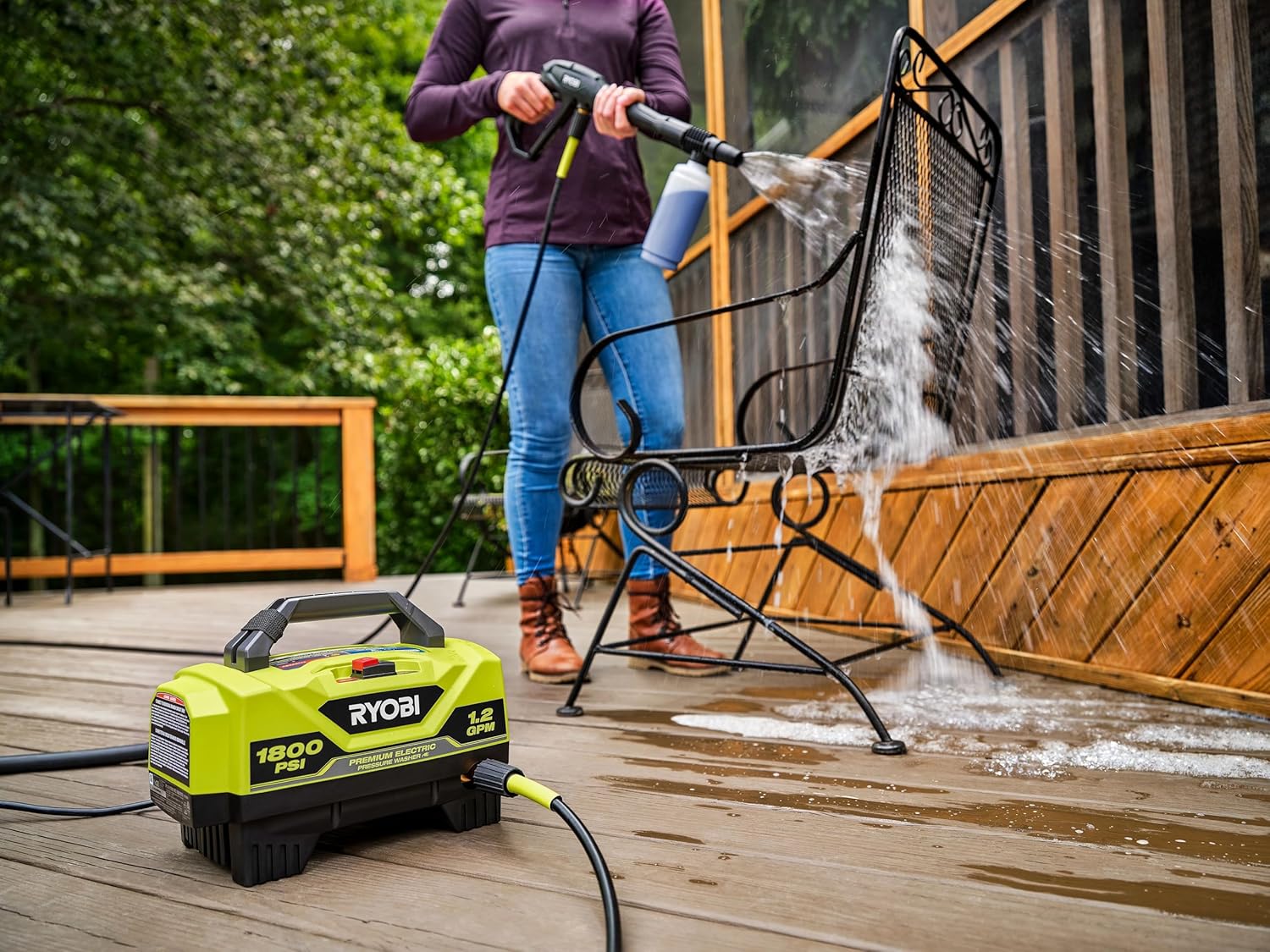
15. Power Wash Exterior (Siding, Deck, Driveway)
Why it matters: Winter leaves behind salt stains, grime, mold, and mildew. Power washing restores curb appeal and prevents permanent staining.
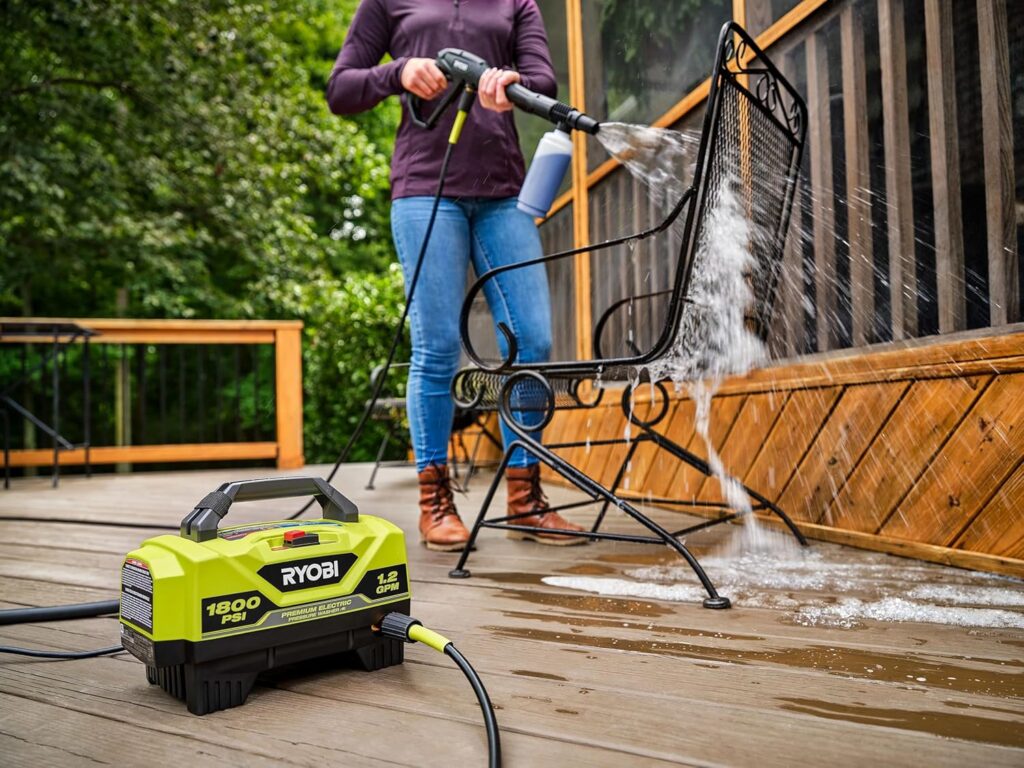
How to do it:
- Rent or buy pressure washer (1800-3000 PSI for residential use)
- Start with low pressure and work up as needed
- Work top to bottom (let gravity help!)
- Keep nozzle 12-18 inches from surface
- Use appropriate nozzle (25° for siding, 15° for concrete)
- Add detergent for stubborn stains
Areas to power wash:
- Vinyl or aluminum siding
- Deck and patio
- Driveway and walkways
- Fence
- Outdoor furniture
- Eavestroughs (exterior)
Time required: 3-6 hours (whole house exterior)
Difficulty: Moderate
When to call a pro: For 2-story homes or if you’re uncomfortable with pressure washers
Tools/products you’ll need:
- Electric pressure washer (1800-2000 PSI – perfect for most homes)
- Gas pressure washer (3000+ PSI – for heavy-duty cleaning)
- Pressure washer detergent/cleaner
- Extension wand (reach high areas safely)
- Surface cleaner attachment (for driveways – game changer!)
- Safety goggles
Safety warnings:
- NEVER use on wood shake roofs (will damage them)
- Be careful around windows (can break seals)
- Don’t spray electrical outlets or fixtures
- Use proper safety equipment
16. Inspect and Repair Driveway/Walkways
Why it matters: Freeze-thaw cycles create cracks and potholes. Small cracks sealed now prevent major repairs later.
How to do it:
- Clean driveway with pressure washer or broom
- Identify all cracks and damage
- Fill small cracks (under 1/4″) with crack filler
- Patch larger cracks and holes with asphalt patch
- Consider seal coating asphalt driveways (every 2-3 years)
- Re-level sunken pavers or interlock
- Check concrete for spalling (flaking) from salt damage
Time required: 2-4 hours
Difficulty: Easy to moderate
When to call a pro: For major resurfacing, large holes, or concrete replacement
Tools/products you’ll need:
- Asphalt crack filler
- Cold asphalt patch (for potholes)
- Driveway sealer (for asphalt driveways)
- Concrete crack filler
- Squeegee or applicator brush (for sealer)
- Wire brush (clean cracks before filling)
Cost savings: A $30 bag of crack filler now prevents a $3,000+ driveway replacement in 2-3 years.
17. Check and Service Garage Door
Why it matters: Garage door springs break without warning (often in winter). Testing now prevents getting stuck with a broken door during a downpour.
How to do it:
- Disconnect automatic opener and manually lift door halfway
- Door should stay in place (if it drops, springs need adjustment)
- Check springs for rust or gaps (sign of wear)
- Lubricate rollers, hinges, and tracks with garage door lubricant
- Test auto-reverse safety feature (place object under door)
- Tighten all bolts and fasteners
- Check weatherstripping at bottom for wear
Time required: 30 minutes
Difficulty: Easy (inspection and lubrication), CALL PRO for spring repairs
When to call a pro: NEVER attempt to repair torsion springs yourself – they’re under extreme tension and dangerous
Tools/products you’ll need:
- Garage door lubricant spray (silicone-based)
- Socket wrench set (for tightening bolts)
- Garage door weatherstripping (if current seal is worn)
- Smart garage door opener (upgrade to control remotely)
Safety warning: Garage door spring replacement is one of the most dangerous DIY tasks. Always hire a professional.
18. Clean and Organize Garden Tools and Shed
Why it matters: Spring is prime gardening season. Organized tools = efficient work. Plus, rust removal now prevents tool replacement later.
How to do it:
- Remove everything from shed/storage
- Sweep or vacuum thoroughly
- Wipe down all tools with oily rag (removes rust, prevents future rust)
- Sharpen garden shears, pruners, and shovels
- Check hoses for leaks or cracks
- Organize by category (hand tools, power tools, seasonal items)
- Install pegboard or hooks for vertical storage
Time required: 2-3 hours
Difficulty: Easy
When to replace: Severely rusted tools, cracked hose, broken handles
Tools/products you’ll need:
- Tool organizer/pegboard system
- WD-40 or 3-in-1 oil (rust prevention)
- Sharpening stone or file
- Garden hose (replace if current one leaks)
- Storage bins/containers (organize small items)
- Shop vacuum (for shed cleaning)
Organization tip: Group tools by task (e.g., all pruning tools together, all digging tools together). You’ll save time all season.
19. Plant Spring Garden and Prepare Beds
Why it matters: Timing is everything in Canadian gardening. Plant too early = frost damage. Wait too long = shortened growing season.
How to do it:
- Check last frost date for your region (critical!)
- Remove winter mulch and debris from beds
- Turn soil and add compost
- Test soil and amend as needed
- Plant cool-season crops (peas, lettuce, spinach) first
- Wait until after last frost for warm-season plants (tomatoes, peppers)
- Mulch beds with 2-3 inches of organic mulch
- Set up soaker hoses or drip irrigation
Time required: 4-8 hours (depending on garden size)
Difficulty: Easy to moderate
When to call a pro: For landscape design or heavy soil amendments
Tools/products you’ll need:
- Garden compost or manure
- Soil test kit
- Seeds or seedlings (choose varieties for your zone)
- Garden trowel and hand tools
- Mulch (cedar, pine, or hardwood)
- Soaker hose or drip irrigation kit
- Gardening gloves
Canadian frost dates (approximate):
- Toronto: May 10
- Calgary: May 25
- Vancouver: March 15
- Halifax: May 15
- Winnipeg: May 30
20. Outdoor Furniture Cleaning and Setup
Why it matters: Furniture stored all winter needs cleaning before use. Catching rust or damage now extends furniture life.
How to do it:
- Remove protective covers
- Wash all furniture with mild soap and water
- Check metal furniture for rust – treat with rust remover
- Inspect wood furniture – sand and re-stain/seal if needed
- Clean cushions and pillows (check care labels)
- Replace worn cushions or covers
- Tighten all bolts and fasteners
- Apply protective spray to fabric
Time required: 2-3 hours
Difficulty: Easy
When to replace: Severe rust, rotted wood, torn/faded cushions
Tools/products you’ll need:
- Outdoor furniture cleaner
- Rust remover and converter
- Replacement cushions
- Fabric protector spray (waterproof outdoor fabrics)
- Wood stain/sealer (for wooden furniture)
- Scrub brush and sponges
Money-saving tip: Good furniture covers extend furniture life by 5+ years. Worth the investment!
BONUS SPRING TASKS (If Time Allows)
21. Deep Clean Carpets and Upholstery
Why it matters: Winter = closed windows = trapped dust, allergens, and pet dander. Spring deep clean improves air quality.
Tools/products you’ll need:
- Carpet cleaner machine (buy or rent)
- Carpet cleaning solution
- Dyson cordless vacuum for regular maintenance
- Upholstery attachment for steam cleaning furniture
22. Clean Window Wells and Basement Windows
Why it matters: Debris-filled window wells fill with water and leak into basements.
Tools/products you’ll need:
- Shop vacuum (wet/dry for removing debris)
- Window well covers (prevent future debris)
- Gravel or rocks (for drainage in window wells)
23. Service Lawn Irrigation System
Why it matters: Frozen lines can crack over winter. Testing now prevents dry lawn later.
Tools/products you’ll need:
- Sprinkler heads (replacement for damaged ones)
- Irrigation timer/controller
- Hose repair kit
24. Check Attic Ventilation
Why it matters: Proper ventilation prevents ice dams in winter and heat buildup in summer.
Tools/products you’ll need:
- Attic fan or ventilation system
- Insulation (if current insulation is compressed or insufficient)
Month-by-Month Quick Reference
MARCH (Safety & Structure):
- Inspect roof and attic
- Clean eavestroughs
- Check foundation
- Test sump pump
- Inspect drainage and grading
APRIL (Systems & Deep Cleaning):
6. Service HVAC
7. Inspect windows/doors
8. Check deck and fence
9. Flush water heater
10. Test smoke/CO detectors
11. Clean kitchen exhaust
12. Clean dryer vent
MAY (Outdoor & Final Prep):
13. Service lawn mower
14. Fertilize lawn
15. Power wash exterior
16. Repair driveway
17. Service garage door
18. Organize garden shed
19. Plant garden
20. Set up outdoor furniture
Tools Every Homeowner Needs for Spring Maintenance
Essential tool kit ($300-500 investment – lasts for years):
- Extension ladder (essential – don’t skip this!)
- Cordless drill/driver (DeWalt or Ryobi recommended)
- Shop vacuum (wet/dry for multiple uses)
- Pressure washer (electric for most homeowners)
- Basic hand tool set (screwdrivers, pliers, wrenches)
- Lawn mower (electric or gas – your choice!)
- Garden hose with spray nozzle
- Caulking gun
- Flashlight or headlamp
- Work gloves
Nice to have (if budget allows):
- Leaf blower (makes cleanup SO much faster)
- String trimmer (edges look professional)
- Hedge trimmer
- Wheelbarrow
When to Call a Professional
Some tasks should NEVER be DIY:
Always hire a pro for:
- Garage door spring replacement (dangerous!)
- Major electrical work
- Roof repairs (safety risk)
- Structural foundation issues
- Asbestos removal
- Major HVAC repairs
- Tree removal near power lines
Consider hiring a pro if:
- You don’t have proper tools
- The job requires permits
- You’re not comfortable on ladders
- The task is time-sensitive (and you’re busy)
- One mistake could cause expensive damage
DIY cost savings: Doing these tasks yourself saves $1,500-3,000 annually vs hiring pros for everything. But safety comes first!
Final Thoughts
Spring home maintenance might feel overwhelming, but breaking it into a month-by-month plan makes it manageable. You don’t have to do everything in one weekend – pick the critical tasks first (roof, gutters, foundation, sump pump) and work through the rest as time allows.
I tackle 2-3 tasks every weekend in March, April, and May. By June, my home is ready for summer, and I’ve caught small problems before they became expensive emergencies.
My #1 tip: Don’t skip the boring stuff (testing sump pumps, checking foundations) in favor of the fun stuff (planting gardens). The unglamorous preventative tasks are what save you thousands in the long run.